How CSR Events in Thailand Improve Brand Image
Companies invest in CSR events for many reasons: employee engagement, community impact, values alignment, and brand image. Of these, brand image is the one most often cited and least often examined. Companies say CSR improves brand image because it sounds true, and because they hope it does. Whether it actually delivers depends on how the CSR is designed, executed, and communicated.
This blog examines how CSR events genuinely affect brand image, the specific mechanisms that make it work, and the mistakes that cause CSR programmes to underdeliver against their brand goals. It is written for marketing and HR leaders weighing CSR as part of their event strategy, and for corporate teams that want to understand what actually shifts brand perception rather than what only looks like it should.
What Brand Image Actually Means
Before examining how CSR affects it, brand image needs a working definition. Brand image is the collection of perceptions people hold about a company: what it stands for, what it values, how it behaves, and how it makes them feel. It is shaped by everything the company does that people can see, from product experience to advertising to how it treats its employees to how it responds to public moments.
Brand image is not the same as brand awareness. Awareness is whether people know the company exists. Image is what they think of it. Companies can be highly aware and poorly regarded, or moderately aware and highly regarded. CSR events do very little for awareness. They can meaningfully shift image.
The Mechanism: How CSR Events Actually Shift Brand Perception
CSR does not improve brand image by being present. It improves brand image by producing three specific effects, each of which contributes to how audiences perceive the company. Understanding these mechanisms is what separates effective CSR from performative CSR.
The Signal Effect
A CSR event signals to audiences what the company cares about beyond its commercial interests. In a marketplace where most companies say similar things about their values, a company that visibly acts on them stands out. The signal is stronger when the CSR is tied to a genuine cause the company has a plausible connection to, and weaker when it feels random or opportunistic.
The Character Effect
CSR events reveal the character of the company through the choices made in designing them. A CSR event that treats community partners as equals communicates something different from one that treats them as background for photographs. Audiences are increasingly perceptive about these distinctions, and character judgements formed at CSR moments are durable.
The Story Effect
CSR events create stories that audiences remember and repeat. A well designed CSR moment gives employees, partners, and customers something specific to reference when they talk about the company. Stories carry brand image far more effectively than abstract claims. A company that “gave back” is a claim. A company whose sales team spent a day rebuilding a school and can tell you what they learned is a story.
Why Thailand Suits CSR-Focused Corporate Events
Some destinations lend themselves to authentic CSR events more than others. Thailand sits among the stronger destinations for a few practical reasons.
There is a mature ecosystem of community organisations, environmental initiatives, and social impact programmes that regularly partner with corporate groups. This means CSR events can be designed with real partners rather than manufactured for the day.
The cultural context supports meaningful participation. Community engagement is understood and valued locally, which means CSR events feel welcomed rather than intrusive when designed respectfully.
The MICE sector has genuine experience delivering CSR alongside corporate events, and partners offering csr team building thailand have built the operational and relational infrastructure to do it credibly. The difference between a superficial CSR moment and a genuine one often depends on which partners the company works with locally.
What Separates Effective CSR From Performative CSR
The gap between CSR that shifts brand image and CSR that quietly damages it comes down to a few design decisions. Companies that get these right build durable brand equity from their CSR efforts. Companies that miss them create moments that audiences see through and remember for the wrong reasons.
Genuine Connection to Company Values
A CSR event that aligns with something the company genuinely stands for reinforces brand image. A CSR event chosen because it looked good in the brochure, unconnected to anything the company does or believes, weakens brand image because audiences perceive the disconnection.
Meaningful Participation Rather Than Photo Opportunities
Events designed for genuine contribution shift brand image. Events designed around photographs of contribution shift it less, and can actively damage image when audiences recognise the choreography. The line between the two is often obvious to observers even when it is not obvious to organisers.
Continuity Beyond the Event
A one off CSR moment with no follow up communicates that the CSR was for the event. A CSR programme that continues, even in a smaller way, communicates that the values are real. Companies serious about CSR building brand image plan for continuity, not just execution.
Honest Communication
The way the company talks about the CSR event afterwards shapes how it lands. Overclaiming (“we transformed this community”) damages credibility. Honest, specific communication (“our team spent a day working alongside local staff on a specific project, and here is what we learned”) lands more powerfully because audiences believe it.
When CSR Events Actually Damage Brand Image
CSR is often assumed to be brand-positive by default. It is not. There are specific circumstances in which CSR events damage brand image rather than improving it, and understanding these matters as much as understanding the positive mechanisms.
The first is when the CSR feels disconnected from the company. Audiences read a mismatch between a company’s stated values and its choice of cause as inauthentic. The perception damage often exceeds the small brand lift.
The second is when the CSR appears exploitative of the community it claims to support. Photo-heavy events in vulnerable communities, particularly those involving children or people in crisis, invite criticism when the imagery reads as extraction rather than contribution. This risk has increased as audiences have grown more sophisticated about these signals.
The third is when the scale of the claim exceeds the scale of the action. A large communications push around a small CSR intervention makes the imbalance visible. Audiences respond more warmly to modest CSR with modest communication than to modest CSR with amplified communication.
The fourth is when the CSR contradicts the company’s other visible behaviour. Companies with public issues around labour practices, environmental impact, or ethical conduct find that CSR events amplify these existing perception problems rather than counteracting them. The CSR reads as deflection.
How to Measure Whether CSR Actually Shifted Brand Image
Measurement is the part most companies skip. Without it, the CSR effort sits in the “we did it because it felt right” category, which is a weaker position when the CSR programme is questioned internally. There are practical ways to measure brand image impact from CSR events.
Employee sentiment surveys before and after the event, focused specifically on brand pride and values alignment. Employees are usually the first audience whose perception shifts, and their perception ripples outward through their own social and professional networks.
Media and social listening around the event and the surrounding period, tracking sentiment as much as mention volume. A CSR event that generates positive discussion is doing work. One that generates cynical discussion is doing damage.
Direct feedback from partners and customers who were involved or made aware of the event. Their perception of the company after the event is one of the most valuable signals, because these are the audiences whose commercial decisions the brand image ultimately influences.
Longer term brand tracking surveys that include values and character dimensions, not just awareness. Companies that measure brand image only through awareness metrics will miss the shifts CSR produces.
Designing CSR Events for Genuine Brand Impact
A CSR event that actually shifts brand image tends to share a specific design approach. The details vary by context, but the underlying principles are consistent.
Start with the values, not the event. The CSR should express something the company genuinely stands for. When companies engage corporate team building programs Thailand partners for CSR, the briefing should lead with the company’s values and let the partner recommend causes that align, rather than starting with a menu of activities.
Choose partners who take the community relationship seriously. Local partners with genuine community relationships deliver deeper CSR than those who arrange one off transactional experiences. The difference is visible in how the CSR feels on the day and in how it lands publicly afterwards.
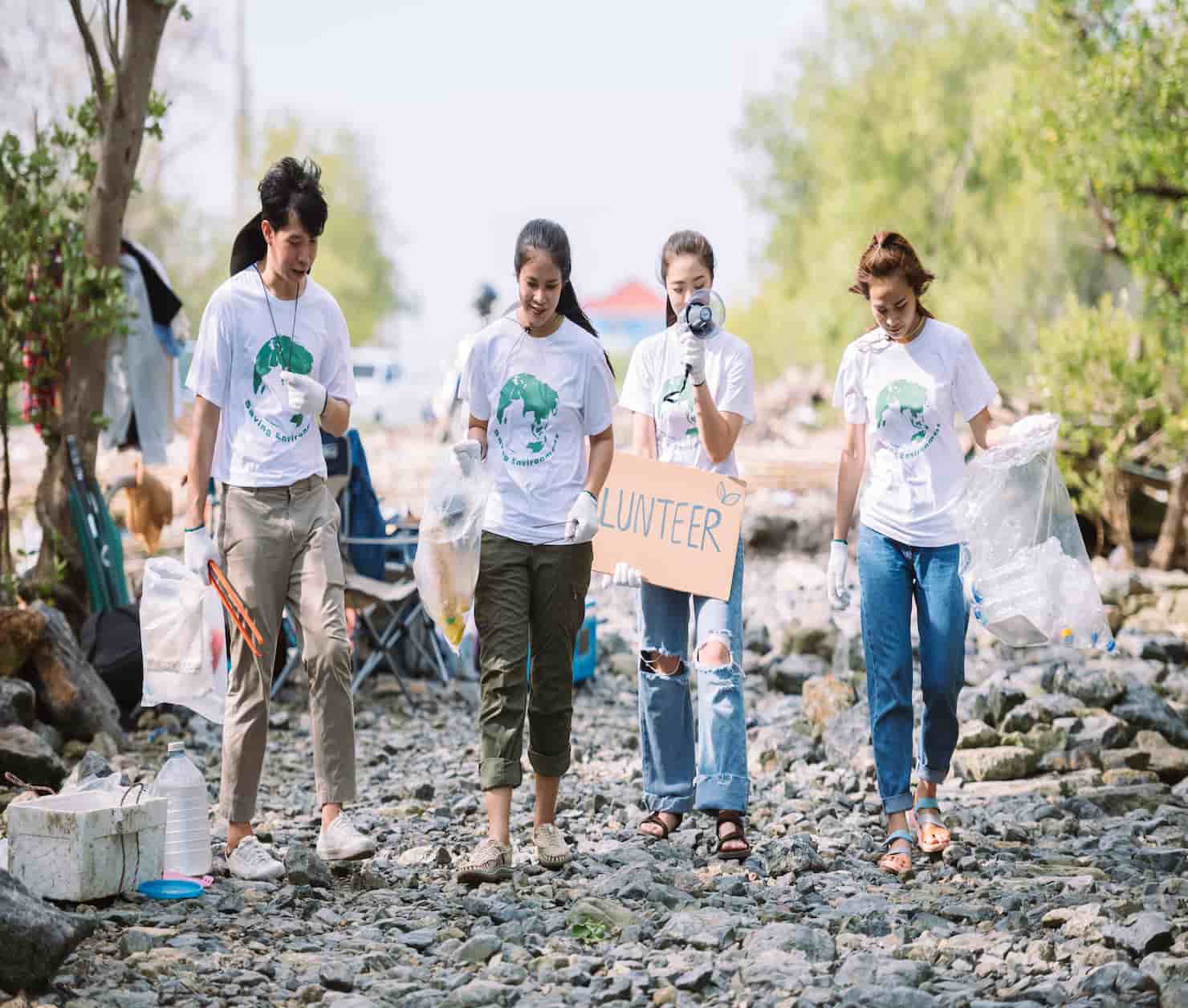
Design the participation to be meaningful. Corporate teams should genuinely contribute during the CSR moment, with real work, real learning, and real interaction with community partners. Superficial participation is usually visible.
Plan the communication carefully. What the company says publicly about the CSR shapes how the CSR lands. Understated, specific communication almost always outperforms broad, celebratory communication.
Consider the integrated approach. Companies working with a partner offering MICE Thailand one stop services can design CSR as part of a broader corporate event programme, which usually produces stronger overall outcomes than treating CSR as an isolated activity.
The Underlying Point
CSR events improve brand image when they are genuine, thoughtful, and honestly communicated. They fail to improve brand image, or actively damage it, when they are performative, disconnected from the company, or overclaimed. The distinction is not subtle to audiences, even when it is subtle to organisers.
Thailand offers a strong destination for meaningful CSR events, provided the design starts with company values, the partners have genuine local relationships, and the communication afterwards is proportionate to what actually happened. Companies that get these elements right find CSR is one of the more durable ways to shape how they are perceived.
Frequently Asked Questions
Perception shifts from a single CSR event typically last months rather than years without continuity. Ongoing CSR programmes produce more durable brand image effects than one off events.
Yes, and their perception of the company shifts more from CSR they participate in than from CSR they only hear about. Employee involvement amplifies the brand image effect.
Yes, indirectly. Employees and partners who participated communicate their experience through their networks, which reaches customers and prospects.
Yes, in emphasis. B2B companies see stronger effects through partner and employee perception. B2C companies see stronger effects through public and customer perception, particularly when supported by proportionate communication.
Not directly. Small, genuine CSR events often produce stronger brand image effects than large, staged ones. The design quality matters more than the scale.