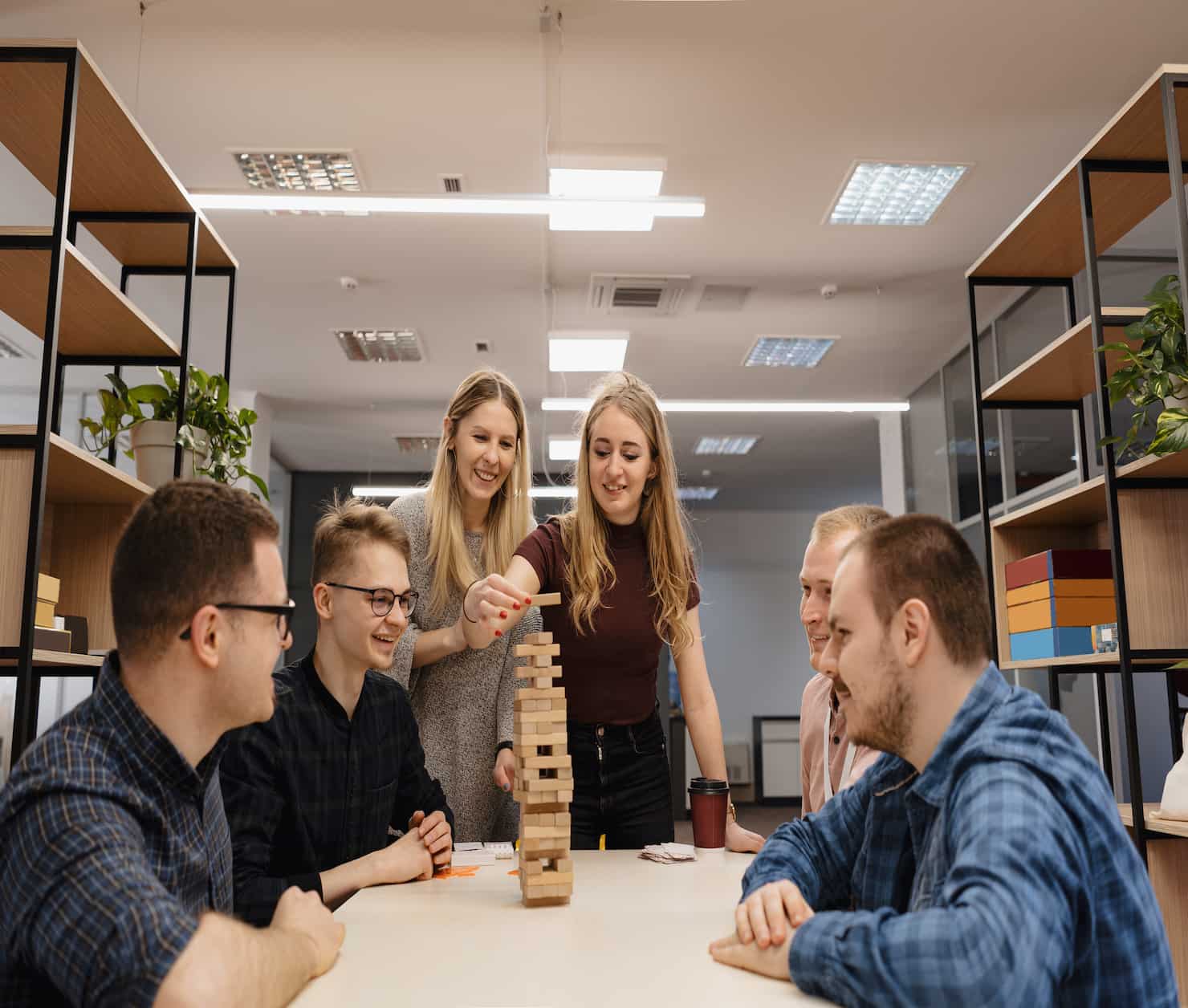
How Team Building Supports Employee Retention
The retention of good workers is not only about having good salaries and perks. It is also important to ensure that individuals will feel valued, included, and have good relationships with their co-workers. This is when team building supports employee retention through workplace relationships that allow people to establish trust, communicate, and create a better atmosphere.
Companies should carefully design corporate team-building programmes that could contribute to the increased involvement of workers. While team building is not going to solve every issue of employee turnover, it can contribute to the strengthening of connections. Thailand is popular for such team building events.
Why Employee Retention Depends on More Than Salary
The employee could have a very good salary package; however, if he or she feels neglected, chances are high that they would consider leaving. Lack of communication and recognition as well as an unwelcoming workplace environment, might affect job satisfaction.
Employee retention strategies, which are very efficient, focus on solving these small issues rather than monetary benefits. Employees, who feel valued and supported by their teammates have more reasons to stay and be involved. Hence, team building supports employee retention along with other components such as supportive leadership, career development, appropriate compensation, and manageable workload.
How Team Building Supports Employee Retention in the Workplace
1. Builds Trust Between Colleagues
Trust evolves from the day-to-day activities, yet sometimes employees don’t have sufficient chances to know each other beyond their work. Collaborative team building activities allow sharing of ideas and solutions to problems, as well as seeing one another’s strengths.
In this way, future business communications become easier, especially when employees have to request assistance or discuss a disagreement. In this case, team building builds trust, which is important for employees’ retention at work because collaborative activities increase the comfort of interdependence among co-workers.
2. Enhances Employees’ Engagement and Morale
Employees become more involved when they feel being included and valued. Employee engagement activities offer the chance for contribution via creativity, leadership, and solving problems.
Thus, an employee who never took the initiative during discussions may suddenly find that he or she excels at coordinating a team activity. This kind of self-awareness can boost confidence and involvement at work.
3. Encourages Cross-Team Collaboration
Within big organizations, there is a disconnect among various departments. The marketing, operations, sales, and administration departments may have the same objectives within an organization without knowledge of the difficulties that the other departments go through.
Activities done by mixed teams assist workers to connect outside their circle. Better communication among different departments leads to decreased misunderstanding, hence easy cooperation. This is yet another reason why team building contributes to employee retention.
4. Develops a Feeling of Belongingness
Employees seek to be part of something worthwhile, as opposed to merely doing things for pay. Shared experiences will enable fellow workers to create memories, celebrate successes, and identify common values.
The combination of diverse personalities, backgrounds, and work methods within team-building exercises could serve to promote workplace inclusion. Nonetheless, the process of doing so must be voluntary and nonthreatening.
Which Team Building Activities Help Improve Staff Retention?
The most effective activity depends on what employees actually need. A team experiencing communication problems may benefit from collaborative challenges, while a group struggling with motivation may respond better to creative workshops or shared community projects.
| Employee challenge | Suitable team-building activity | Potential benefit |
| Poor communication | Collaborative problem-solving challenges | Better listening and clearer communication |
| Employees feel disconnected | Small-group team bonding | Stronger workplace relationships |
| Low morale | Creative workshops and group challenges | Greater participation and confidence |
| Lack of shared purpose | CSR team-building activities | Stronger connection to organisational values |
For companies seeking team building activities Thailand offers opportunities to combine corporate objectives with destination-based experiences. Depending on the team’s needs, companies can explore outdoor challenges, interactive workshops, and community-focused programmes.
How to Make Team Building a Long-Term Employee Retention Strategy
One event can generate enthusiasm, but sustainable changes will happen because of what takes place after it. The first step that organizations should take is to define the problems that exist concerning employee satisfaction. Some means to do it can include anonymous feedback, conversations with managers, and employee engagement surveys.
Then, one should select some events that would correspond to the interests of workers, and their physical conditions, and make them feel comfortable.
How D2I Can Help Create Meaningful Corporate Team-Building Experiences
D2I helps businesses to plan corporate experiences by designing activities that will bring people together by creating common objectives. Using corporate team building programs Thailand, companies can go ahead and experience what can be achieved in terms of corporate social responsibility.
Team building promotes trust, communication, and better relationships at the workplace. Relationships can contribute to employees feeling part of something, making team building contribute to retaining employees along with other strategies such as good policies and good management.
They may help address workplace disconnection and low morale, which can contribute to employees leaving. However, team building supports employee retention most effectively when companies also address pay, workload, management, and career growth.
Problem-solving together, creative exercises, challenges outside of the office, and CSR team-building activities could be motivating for employees. Which type will be the most appropriate depends on employees’ preferences and organisational issues.
There is no universal answer to that question. Companies can arrange team-building events from time to time and use the effects of these activities through continuous team meetings and cooperation.
Conclusion
Team building contributes to employee retention since it enables the employees to feel engaged in what they are doing. When companies integrate purposeful team-building activities with effective leadership, appreciation, and career growth opportunities, they are able to build a workplace where employees will love to stay. Through D2I, businesses are able to design purposeful team-building activities that foster connections and promote employee engagement.