How to Design a Brand-Focused Event in Thailand
Most corporate events are designed around logistics first and brand second. The agenda gets locked, the venue gets booked, the suppliers get briefed, and at some point near the end someone asks where to put the logo. The result is an event that runs smoothly but does little for the brand it is meant to serve.
Brand-focused events take the opposite approach. The brand strategy comes first, and every operational decision flows from it. The venue choice, the agenda design, the production layer, the food, the entertainment, even the small moments delegates encounter at registration, all align with how the company wants to be experienced. Done well, this approach turns a corporate event into a brand asset rather than just a calendar entry.
This blog walks through how to design a brand-focused event in Thailand, from the foundational brand decisions through to the operational layers that bring the brand to life.
What a Brand-Focused Event Actually Is
A brand-focused event is one where every delegate touchpoint, from invitation through to post-event follow up, is designed to express and reinforce the brand in a deliberate way. The event is not just a meeting that happens to carry the company name. It is a planned, structured expression of who the brand is and what it stands for.
The difference shows up in the details. Two product launches in the same city, run by similar teams, can produce completely different brand outcomes depending on whether one was designed around the brand or around the schedule. The brand-focused version reinforces the brand at every touchpoint. The other one carries the logo and assumes that is enough.
Start With the Brand, Not the Event
The single biggest mistake in brand-focused event design is starting with the event format. The right starting point is the brand itself.
Three foundational questions need clear answers before any operational decision gets made.
What Does the Brand Stand For?
The core values, positioning, and personality of the brand. Not the marketing tagline, but the deeper character the brand expresses.
How Should Delegates Feel?
The emotional outcome the event is designed to produce. Energised, inspired, valued, challenged, recognised, connected — each leads to different design decisions.
What Should Delegates Remember?
The takeaway. Not just the content, but the impression of the brand they carry into the world after the event ends.
A clear answer to these three questions becomes the brief that every other decision flows from. Without these answers, the event drifts into generic territory regardless of how much money is spent on it.
Designing Brand Expression Across Every Touchpoint
Once the brand foundation is clear, the work becomes translating it consistently into every part of the event. Each touchpoint either reinforces the brand or contradicts it. There is no neutral.
Venue and Setting
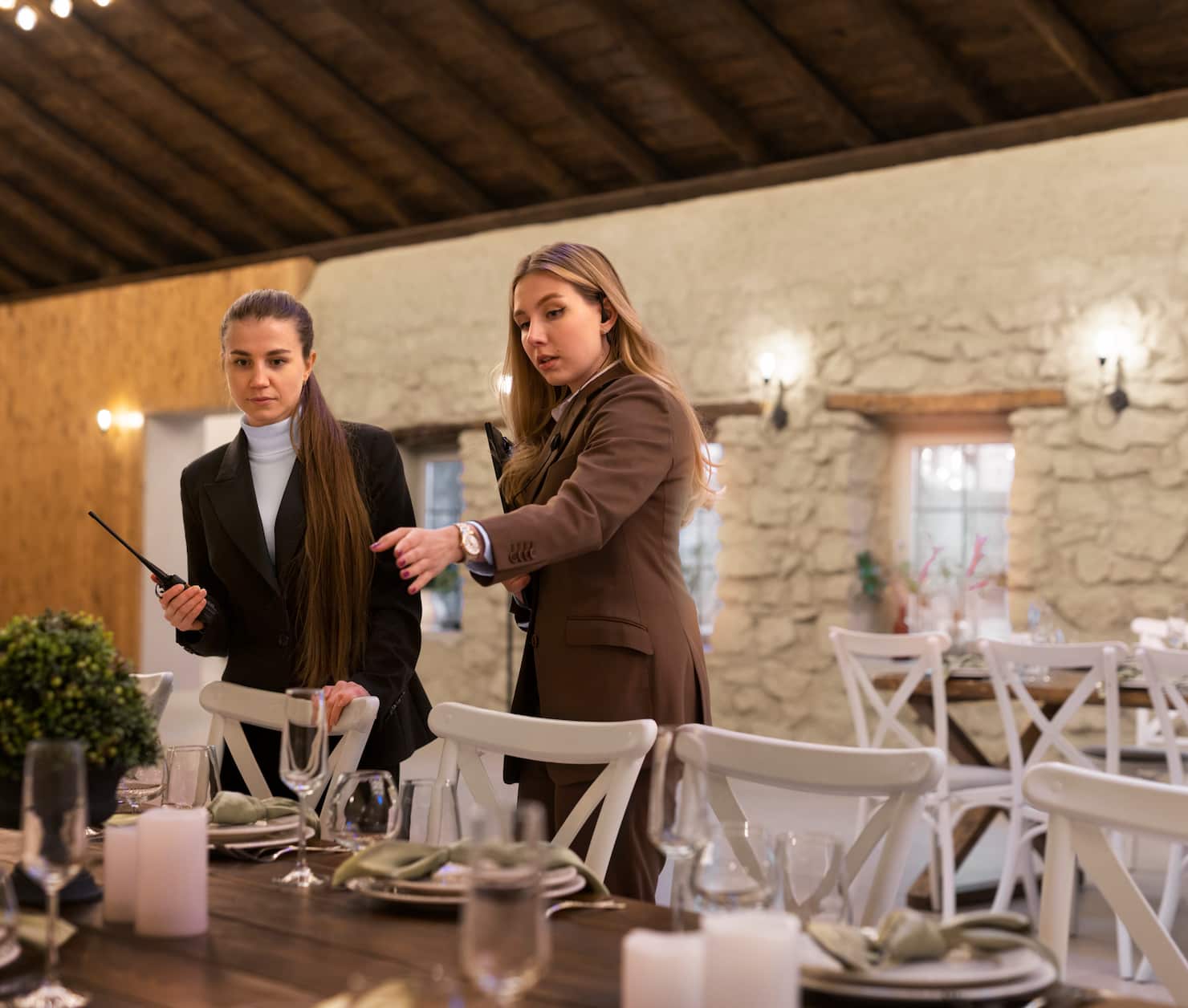
The venue is the first physical expression of the brand. A premium brand needs a venue that signals premium. A creative brand needs a venue that allows distinctive design. A heritage brand needs a venue with character that aligns with the brand’s story. A wrong venue choice undermines the brand before the event even starts.
Visual Identity and Production
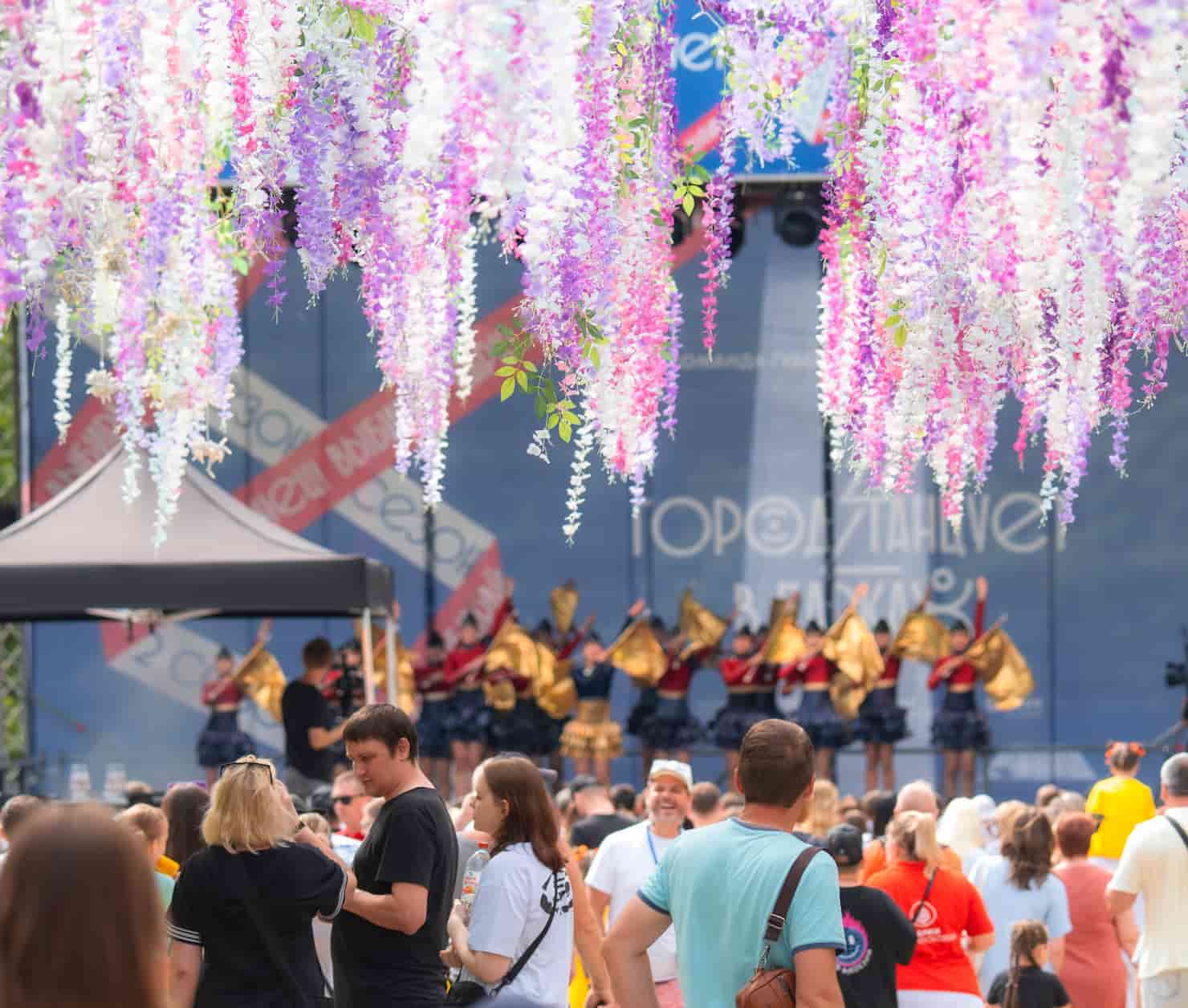
Stage design, lighting, signage, presentation graphics, video production, and event branding all need to reflect the brand visual identity. Generic stage backdrops with a logo applied as an afterthought weaken the brand impression. Custom production designed to express the brand strengthens it.
Tone, Language, and Communications
Invitation copy, agenda wording, host scripts, on-screen messages, signage tone — every word delegates encounter shapes how the brand sounds. A brand that positions itself as serious and expert reads very differently from one that positions itself as playful and energetic. The language of the event should match the brand voice precisely.
Hospitality, Food, and Beverage
How delegates are welcomed, what they eat, how meals are styled, and the energy of the hospitality experience all express the brand. A brand that values sustainability needs catering that reflects that. A brand that values cultural respect needs food experiences that honour the host country. Generic buffet catering is rarely brand-aligned for any premium brand.
Activities and Experiential Elements
Cultural experiences, gala dinners, and excursions need to align with the brand narrative rather than being chosen for their own sake. A working partner with experience in corporate event planning in Thailand can identify the experiences that genuinely fit a particular brand rather than offering the same default options to every client.
Closing and Post-Event Touchpoints
The closing experience, the takeaway gift, the follow up communications, and the post-event content all extend the brand expression beyond the event itself. A weak closing undermines a strong event. A strong closing turns a good event into a lasting brand impression.
Brand-Focused Event Opportunities Specific to Thailand
Thailand offers several brand expression opportunities that few other destinations match.
Cultural depth that can be woven into the brand narrative authentically when relevant. A heritage brand can lean into traditional Thai elements. A modern brand can use the contrast between traditional and contemporary Thailand to make a point. A wellness brand can draw on Thailand’s spa and natural setting traditions.
A wide range of venue character, from urban high-rise spaces in Bangkok to coastal resort settings in Phuket, cultural settings in Chiang Mai, and heritage venues across the country. The destination range allows brands to find venues that genuinely match their identity rather than compromising.
An experienced hospitality and production supplier network that can deliver against brand-specific briefs rather than defaulting to generic packages. Brands that brief clearly tend to get noticeably stronger execution in Thailand than in less developed event destinations.
Common Mistakes in Brand-Focused Event Design
Several mistakes show up repeatedly when companies try to design brand-focused events without enough strategic foundation.
The first is treating brand alignment as a visual layer rather than an experience layer. Applying the brand colour palette to the stage backdrop is not brand-focused design. Designing the entire delegate experience around the brand promise is.
The second is briefing the planner on the event format before the brand strategy. A brief that says “organise our product launch” produces a different result than a brief that says “design an event that makes delegates experience our brand as bold, modern, and credible.” The second brief produces brand-focused work. The first produces a launch.
The third is splitting the brand and the production decisions across separate teams. When the brand strategy sits with marketing and the operational layer sits with a separate event company, alignment is hard to maintain. An integrated MICE event planner Thailand working closely with the marketing team produces more coherent brand expression than handovers between two separate teams.
How to Brief a Partner for a Brand-Focused Event
The quality of the brief shapes the quality of the brand-focused event more than any other single factor. Strong briefs share a few characteristics.
They lead with brand strategy, not event format. The brand values, positioning, and personality come first. The event format follows.
They name the desired delegate emotional outcome explicitly. Not what the event will include, but how delegates should feel during and after it.
They share existing brand guidelines, visual identity, tone of voice documents, and any past event references. The more the partner sees, the more accurately they can interpret the brand.
They identify what the brand absolutely is not, as well as what it is. Brand boundaries help a partner avoid suggestions that would contradict the brand even when they seem appealing in isolation.
A partner offering integrated MICE Thailand one stop services can typically take a strong brand brief and translate it consistently across venue, production, hospitality, and operations, which is much harder when the brief gets split across multiple separate suppliers.
Why Brand-Focused Events Matter More Than They Used To
A few shifts in the broader corporate environment have made brand-focused events more valuable than they once were.
Competition for talent and customer attention has intensified. Companies need every brand expression to count, including the ones that used to be treated as logistics.
Delegates capture and share event experiences in real time. A brand-focused event extends its reach beyond the room when delegates post about it. A generic event passes without trace.
Internal teams and clients alike increasingly judge companies by the consistency of their brand expression. An event that contradicts the brand sends a stronger negative signal than an event that simply omits it.
The companies investing in brand-focused event design are the ones treating their corporate events as part of brand strategy rather than as separate operational activities.
Frequently Asked Questions
Yes. Brand-focused design is about deliberate decision making, not event size. A small executive dinner can be just as brand-focused as a large product launch.
Not necessarily. Brand-focused design is more about how decisions are made than about scale. Strong briefing and integrated execution often deliver stronger brand outcomes regardless of production size.
Product launches, brand activations, customer events, and any event involving external audiences benefit most. Internal-only events benefit too, but the brand impression on external audiences carries the most weight.
Both. The marketing team owns the brand strategy. The events team executes it. The strongest brand-focused events have close collaboration between the two from the briefing stage onwards.
The honest test is whether delegates can describe the brand differently after the event than they could before. If the event simply carried the logo, it was branded. If it shifted perception, it was brand-focused.