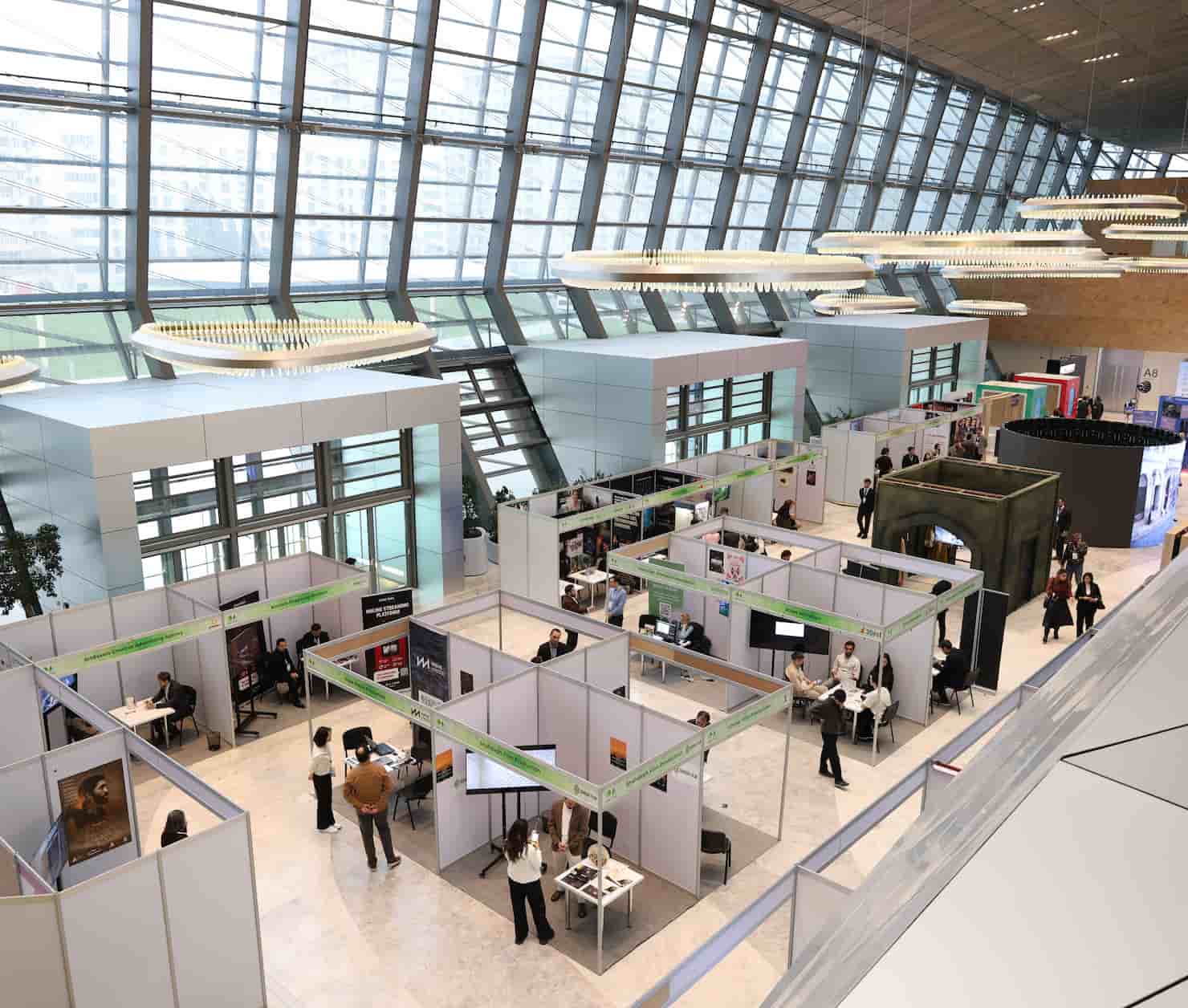
Hybrid Meetings in Thailand: What Companies Need to Know
Hybrid meetings have become a regular part of how companies meet. For an international business
holding a meeting in Thailand, the hybrid format offers a practical way to bring people together in one
location while still including colleagues who cannot travel. Done well, a hybrid meeting can widen
participation without losing the value of meeting in person.
Done poorly, however, a hybrid meeting can leave remote participants feeling like spectators. This guide
explains what a hybrid meeting is, when the format makes sense, and how companies can run a hybrid
meeting well in Thailand.
What Is a Hybrid Meeting
A hybrid meeting is a meeting that combines an in person group, gathered together at a physical venue,
with remote participants joining online. Both groups take part in the same meeting at the same time,
connected through video conferencing and meeting technology.
This is different from a fully in person meeting, where everyone is in the room, and a fully virtual
meeting, where everyone joins online. The hybrid format sits between the two, and its main challenge is
making sure both groups have a genuine, equal experience of the meeting.
Why Companies Choose the Hybrid Format
There are several practical reasons a company might choose a hybrid meeting in Thailand rather than a
fully in person or fully virtual one.
Wider Participation
A hybrid meeting lets a company gather a core group in person while still including colleagues who
cannot travel, whether because of cost, schedule, or distance. This widens participation beyond those
who can attend physically.
Keeping the Value of In Person Meeting
Some interactions work best face to face, including relationship building, sensitive discussions, and team
bonding. A hybrid meeting keeps an in person core for these benefits while extending reach to a remote
audience.
Flexibility for International Teams
For companies with teams spread across several countries, hybrid offers flexibility. A regional group can
meet in person in Thailand while colleagues in other markets join the key sessions remotely.
When a Hybrid Meeting Makes Sense
Hybrid is not the right choice for every meeting. It tends to work best in specific situations.
A hybrid format makes sense when a meaningful number of participants genuinely cannot travel, when
the meeting content can be followed remotely without losing value, and when the company is willing to
invest in doing the hybrid setup properly. It works well for company updates, larger team meetings, and
information sharing sessions where part of the audience is remote by necessity.
A fully in person meeting is often the better choice for small, sensitive, or highly interactive sessions,
such as board meetings or leadership offsites, where the quality of in person discussion is the entire
point. In these cases, splitting the group across formats can weaken the meeting.
How to Run a Hybrid Meeting Well in Thailand
The difference between a good hybrid meeting and a frustrating one comes down to preparation. The
points below cover what companies need to get right.
1. Choose a Venue Set Up for Hybrid
Not every meeting room is suited to a hybrid format. When comparing business meeting venues
Thailand offers for a hybrid meeting, look for reliable high speed internet, a room layout that works on
camera, good lighting, and the space to position cameras and screens well. A venue with experience
hosting hybrid meetings is a strong starting point.
2. Confirm Reliable Connectivity
Connectivity is the foundation of any hybrid meeting. A stable, high speed internet connection is
essential, and it is worth confirming the venue’s connection in advance rather than assuming it will be
sufficient. For important meetings, having a backup connection option provides reassurance.
3. Get the Audio and Visual Setup Right
Audio is the single most important technical element of a hybrid meeting. Remote participants can
tolerate imperfect video, but poor audio makes a meeting unusable. A proper setup includes quality
microphones that pick up the in room group clearly, cameras positioned so remote participants can see
speakers, and screens that let the in room group see remote participants. Working with a partner that
provides professional MICE services Thailand can bring this audio and visual capability together rather
than relying on basic room equipment.
4. Design for the Remote Experience
The most common hybrid meeting mistake is treating remote participants as an afterthought. To avoid
this, build the meeting so remote participants can genuinely take part. This includes bringing remote
voices into the discussion deliberately, sharing materials digitally so everyone has the same information,
and having someone responsible for monitoring the remote audience and their questions.
5. Keep the In Room Experience Strong
While the remote experience needs attention, the in person group should still get the full value of
meeting face to face. The in room agenda, discussion, and interaction should remain strong. A well run
hybrid meeting serves both groups well rather than compromising one for the other.
6. Facilitate Both Audiences Actively
A hybrid meeting needs active facilitation. The person leading the meeting should consciously include
both the in room and remote groups, check in with remote participants regularly, and manage
discussion so it does not drift towards whoever is physically present. In larger hybrid meetings, a
dedicated facilitator for the remote audience can help.
7. Test Everything in Advance
A technical run through before the meeting is one of the most valuable steps in hybrid planning. Testing
the connection, audio, video, screen sharing, and the remote joining process in advance catches the
issues that would otherwise disrupt the meeting itself.
The Role of a Local Partner
Running a hybrid meeting from another country adds a layer of complexity, since the company is
coordinating technology and venue arrangements remotely. A corporate meeting planner Thailand
based locally can confirm the venue setup, arrange the audio and visual support, run the technical
testing, and manage the on the ground side of the meeting. This lets the company focus on the meeting
content and on facilitating both audiences well.
Quick Reference: Running a Hybrid Meeting in Thailand
1. Choose a venue set up for hybrid
2. Confirm reliable connectivity
3. Get the audio and visual setup right
4. Design for the remote experience
5. Keep the in room experience strong
6. Facilitate both audiences actively
7. Test everything in advance
About D2I Global
D2I Global is a Bangkok based MICE company supporting corporate clients across Bangkok, Chiang Mai,
Pattaya, and Phuket. Our MICE Thailand one stop services span meetings, conferences, events,
teambuilding and CSR, and the operational layers in between. To discuss a hybrid meeting in Thailand,
you can request a quote with your meeting details.
Frequently Asked Questions
A hybrid meeting combines an in person group gathered at a physical venue with remote participants
joining online. Both groups take part in the same meeting at the same time, connected through video
conferencing and meeting technology.
A hybrid meeting makes sense when a meaningful number of participants cannot travel, the content can
be followed remotely, and the company is willing to set up the hybrid format properly. It suits company
updates and larger team meetings more than small, highly interactive sessions.
Audio is the most important technical element. Remote participants can tolerate imperfect video, but
poor audio makes a meeting difficult to follow, so quality microphones and a proper audio setup are
essential.
Look for reliable high speed internet, a room layout that works on camera, good lighting, space to
position cameras and screens well, and ideally experience hosting hybrid meetings.
Bring remote voices into the discussion deliberately, share materials digitally so everyone has the same
information, have someone monitoring the remote audience, and facilitate the meeting so it does not
drift towards whoever is physically present.
No. A fully in person meeting is often better for small, sensitive, or highly interactive sessions such as
board meetings, where the quality of face to face discussion is the main point. Hybrid is best when
remote participation is genuinely needed.
Yes. A local partner can confirm the venue setup, arrange audio and visual support, run technical testing,
and manage the on the ground side of the meeting, which is particularly useful for companies organizing
from another country.